

The world of work is evolving at an unprecedented pace. From rapid advancements in artificial intelligence to changing workforce expectations, organizations are rethinking how they attract, hire, and retain talent. If you’re keeping an eye on hiring trends 2026 news, one thing is clear: traditional hiring models are no longer enough.
The hiring landscape now is driven by data, powered by AI, and shaped by a workforce that values flexibility, purpose, and skills over titles. Businesses that fail to adapt risk losing top talent to more agile competitors. This blog explores the most important hiring trends 2026 leaders must understand to stay ahead in a competitive talent market.
Before diving into specific trends, it’s important to understand what’s fundamentally changing in talent acquisition 2026.
Organizations are no longer just filling roles—they are building adaptable, future-ready workforces. Hiring is now deeply connected to business strategy, technology adoption, and long-term workforce planning.
According to insights from Deloitte,
“Organizations are increasingly shifting from jobs to skills as the foundation of work.”
This shift is not just a trend—it’s a transformation of how companies define value in the workplace.
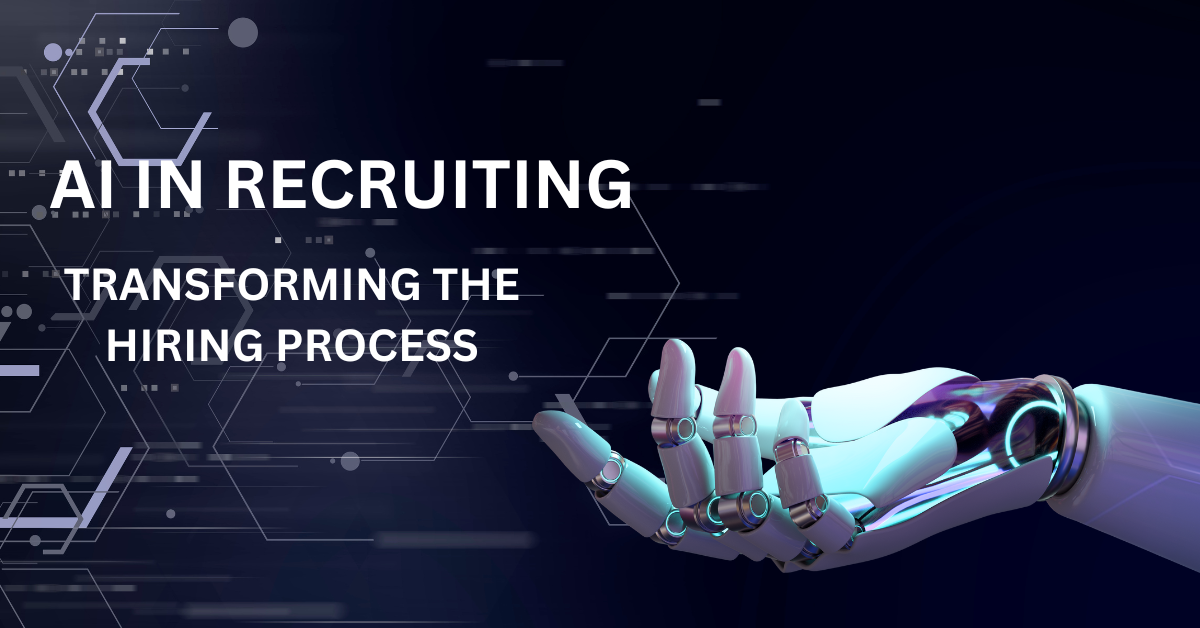
One of the most impactful developments in hiring trends 2026 news is the widespread adoption of AI-driven recruitment technologies. From resume screening to interview scheduling, AI is automating repetitive tasks and enabling recruiters to focus on strategic decision-making.
AI hiring tools can:
Companies are increasingly leveraging platforms powered by machine learning to improve hiring outcomes.
While AI improves efficiency, it also raises important considerations:
Organizations that use AI responsibly will gain a significant advantage in attracting and retaining talent.
In 2026, skills are the new currency of the job market. Employers are shifting away from traditional degree requirements and focusing on what candidates can actually do.
This shift is particularly important in industries facing talent shortages, where rigid requirements limit access to qualified candidates.
Skills assessments, project-based evaluations, and portfolio reviews are becoming standard in modern recruitment processes.
The demand for flexible work arrangements continues to shape 2026 job market trends. Employees now expect options that allow them to balance productivity with personal well-being.
Organizations are responding by:
This shift has also increased competition, as companies can now hire talent from anywhere in the world.
In a candidate-driven market, experience matters. A slow or impersonal hiring process can lead to losing top candidates.
“A positive candidate experience can significantly impact a company’s ability to attract top talent.”
Companies that invest in candidate experience are more likely to build strong employer brands.
Another defining feature of talent acquisition trends in 2026 is the use of data analytics to predict hiring needs and outcomes.
Organizations are leveraging data to:
Predictive hiring enables companies to stay ahead rather than react to talent shortages.
Hiring externally is no longer the only solution. Companies are increasingly focusing on developing existing employees.
This approach helps:
Upskilling programs, mentorship initiatives, and internal job marketplaces are becoming standard practices.
In 2026, employer branding plays a critical role in attracting talent. Candidates are researching companies more than ever before making decisions.
A strong employer brand includes:
Organizations must actively manage their online presence to remain competitive.
Modern hiring is powered by integrated platforms that combine:
These systems provide a seamless experience for both recruiters and candidates.
DEI is no longer optional—it’s a business imperative. Organizations are embedding diversity into every stage of the hiring process.
This includes:
Companies that prioritize DEI are better positioned to innovate and grow.
The rise of freelance and contract work is reshaping the workforce. Many professionals are choosing flexibility over traditional full-time roles.
Organizations are adapting by:
This trend allows businesses to scale quickly and access specialized skills.
Despite the opportunities, organizations face several challenges:
Addressing these challenges requires a strategic and adaptable approach.
To stay ahead of hiring trends 2026, leaders must take proactive steps:
Adopt tools that enhance efficiency without compromising candidate experience.
Redefine job requirements to focus on capabilities rather than credentials.
Build a culture of continuous learning and growth.
Communicate your company’s values and opportunities clearly.
Use analytics to drive smarter hiring strategies.
The future of hiring is not just about filling positions—it’s about building resilient, adaptable organizations. As highlighted in ongoing hiring trends 2026 news, companies that embrace innovation, prioritize people, and leverage technology will lead the way.
The convergence of AI, skills-based strategies, and workforce shifts is redefining how organizations compete for talent. Those who adapt quickly will not only survive but thrive in this new era.
The hiring landscape in 2026 is dynamic, technology-driven, and deeply human at its core. From AI hiring tools to evolving workforce expectations, these changes are reshaping how organizations approach talent acquisition.
Staying informed about hiring trends 2026 news is essential for making strategic decisions that align with the future of work. By embracing these trends, businesses can build stronger teams, improve hiring outcomes, and drive long-term success.
At W3Global, we help organizations navigate the complexities of modern hiring with innovative, data-driven solutions. Whether you're looking to implement AI hiring tools, adopt skills-based recruitment, or optimize your talent acquisition strategy, our experts are here to help.
Connect with W3Global today and build a future-ready workforce that drives real business impact.