How to Manage Your Work-Life Balance: 7 Proven Strategies
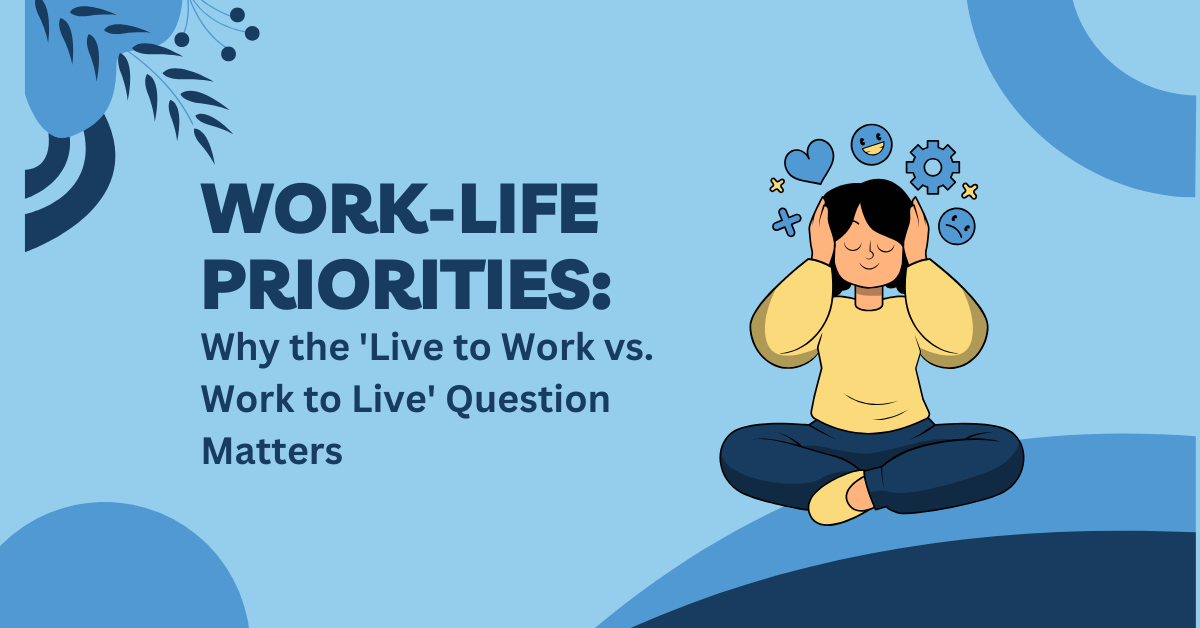
Work-life balance is the ability to divide your time and energy between your work and your personal life in a way that is healthy and fulfilling. It's important to have a good work-life balance because it can help you to reduce stress, improve your productivity, and be happier and healthier overall.
In today's fast-paced world, it can be difficult to achieve work-life balance. Many people find themselves working long hours and feeling overwhelmed by the demands of their jobs. This can lead to stress, burnout, and health problems.
There are a number of things you can do to manage your work-life balance and create a more fulfilling life for yourself. Here are a few tips:
- Set boundaries
One of the most important things you can do is to set boundaries between your work life and your personal life. This means not checking work emails or messages outside of work hours and not working on personal projects during work hours.
It can be helpful to set physical boundaries, such as not working in your bedroom or not checking work emails first thing in the morning. It can also be helpful to set mental boundaries, such as making a commitment to yourself that you will not think about work after a certain time each day.
- Take breaks
It's important to take breaks throughout the day, even if it's just for a few minutes. Get up and move around, or step outside for some fresh air. Taking breaks can help to reduce stress and improve your productivity.
It can also be helpful to schedule longer breaks, such as taking a lunch break away from your desk or taking a few minutes each day to meditate or do yoga.
- Delegate tasks
If you have too much on your plate, ask for help. Delegate tasks to your team members or hire a virtual assistant. This will free up your time so that you can focus on the most important tasks and have more time for your personal life.
It can also be helpful to break down large tasks into smaller, more manageable tasks. This will make the tasks seem less daunting and will help you to make progress more quickly.
- Take time for yourself
Make sure you're scheduling time for yourself each week to relax and recharge. Do whatever you enjoy, whether it's reading, spending time with loved ones, or pursuing a hobby.
It can be helpful to schedule specific times each week for self-care activities. For example, you could schedule a massage, go for a hike, or read a book for an hour each week.
- Say no
It's okay to say no to extra work or commitments, especially if you're already feeling overwhelmed. It's important to prioritize your own needs and to protect your time.
If you find yourself struggling to say no, it can be helpful to practice saying no in a polite and assertive way. For example, you could say something like, "Thank you for asking, but I'm already committed to other projects."
Managing your work-life balance is an ongoing challenge, but it's worth it for your overall well-being. By following these tips, you can create a more balanced life and reduce stress.
Here are some additional tips for managing your work-life balance:
- Communicate with your boss and team members. Let them know that work-life balance is important to you and that you may need to set some boundaries.
- Be flexible. Things don't always go according to plan, so be prepared to adjust your schedule as needed.
- Don't be afraid to ask for help. If you're feeling overwhelmed, talk to your boss, a trusted colleague, or a friend or family member.
Remember, you are not alone. Many people struggle with work-life balance. But by following these tips, you can create a more balanced and fulfilling life for yourself.